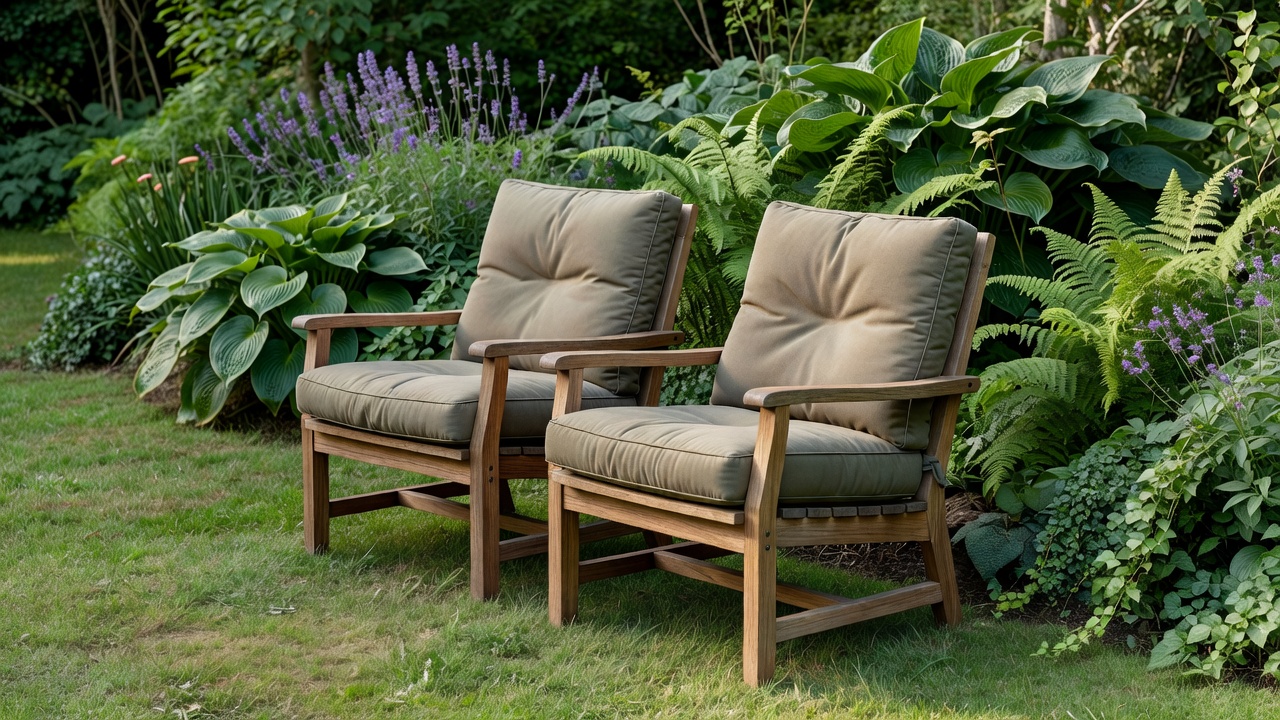
Make the route part of the seating plan
Lay out the journey from the house before arranging a perfect row of chairs. People will arrive carrying blankets, return for drinks and leave at different times. Keep the principal route clear of chair backs, footrests and low tables. A cable hidden under a rug is still a potential obstruction, and loose rugs on damp paving can create a separate slipping problem.
Ask guests about access needs rather than deciding what will suit them. Some people need firm armrests and a higher seat; others may stay in their wheelchair or prefer space to change position. Leave a companion place beside an accessible viewing position. Test the ground after rain, when grass and gravel may behave very differently from a dry afternoon trial. Temporary seating should never obstruct an emergency exit.
Choose support before softness
Low loungers and floor cushions can look inviting, but they are not universally comfortable for a long film. Start with stable chairs that support the back and offer an easy way to stand. Add other seat types as choices, not as the only option. Check folding mechanisms, weight limits and the condition of joints before guests arrive, particularly if furniture has been stored through a wet season.
Arrange low seats toward the front only where they do not compromise anyone’s view or access. You do not need to create a tiered auditorium in a small garden. Avoid makeshift platforms made from pallets or loose blocks: structural strength, edge protection and stability require more thought than a decorative photograph suggests. Fewer well-positioned seats will usually feel more generous than tightly packed rows.
Can we use the furniture already in the garden?
Often, yes. Try sitting through a short programme before buying anything. Add a suitable cushion or a small stable side table where needed, while respecting the chair’s intended use and load limit.
Read weather resistance carefully
Outdoor-rated frames and fabrics are designed for particular conditions; “water-resistant” does not mean a cushion can remain saturated without consequences. Look for the manufacturer’s care instructions, drainage details and storage advice. Inspect seams, zips and the underside as well as the visible fabric. Quick-drying foam can help after incidental moisture, but it does not remove the need for airflow and proper drying.
Powder-coated metal, suitable timber and outdoor synthetic materials each have maintenance needs. Damaged coatings can expose metal, timber may need periodic care, and synthetic furniture can degrade with prolonged sunlight. Choose a material you can maintain in your climate rather than relying on a broad claim that it is weatherproof. The Royal Horticultural Society’s garden design resources can help put furniture choices within the wider site plan.
Keep blankets and cushions indoors until shortly before use. A dry-looking seat can become cold and damp as dew forms, especially after the air temperature drops. Provide a covered collection point for used textiles, then dry them fully before closing them inside a storage box. Trapping moisture is an easy way to begin the next evening with musty cushions.
Leave space for the small things
Place drinks within easy reach on stable surfaces, not on the ground where someone will step around them in the dark. Keep hot drinks away from children’s routes and put snacks in manageable containers. A shared table at the edge of the audience can reduce clutter, provided nobody must pass through a beam or squeeze between chairs to reach it.
Warm clothing is more dependable than treating a patio heater as the centre of the plan. If a heater is used, follow its clearances, fuel and ventilation instructions; keep it away from fabrics, plants and equipment. Never bring a barbecue or fuel-burning heater into an enclosed shelter. A fire feature may also introduce smoke, glare and local restrictions that make it unsuitable beside a screening.
Finally, sit quietly in the finished layout as the evening cools. Notice a draught, a bright window or an awkward reach for your cup. These small discoveries are worth more than another decorative accessory. Once the seats work, plan the gentle light that helps guests find them without turning the garden into a brightly lit terrace.